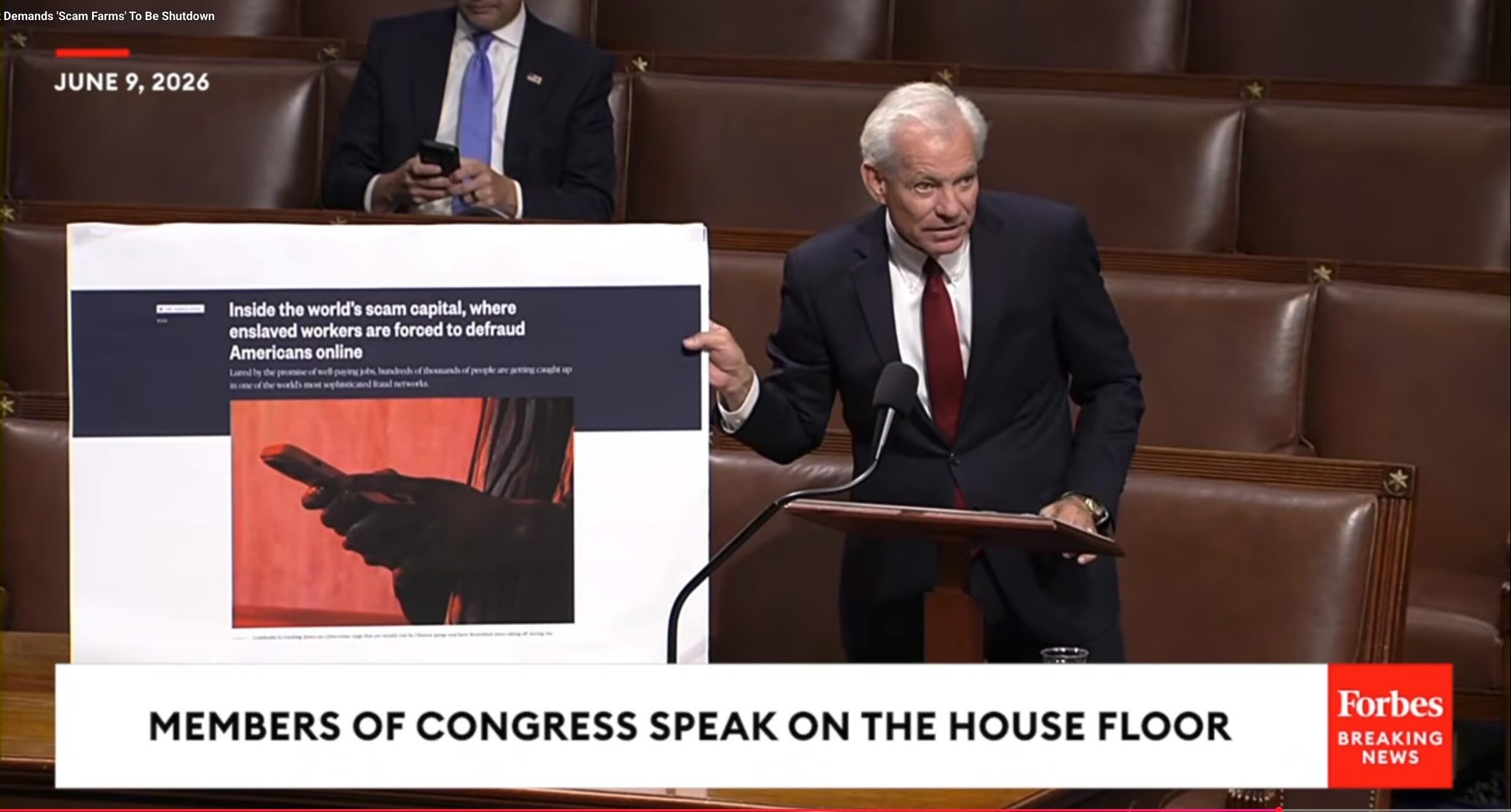
WASHINGTON, D.C. — Congressman David Schweikert spoke on the House floor yesterday during debate over waste, fraud and improper payments, calling on Congress to stop relying on an outdated model that sends taxpayer money out the door first and tries to recover it later.
Watch Schweikert’s full remarks here.
“So many of us all use the term waste and fraud,” Schweikert said. “Now we need to actually add some of the definitions and the mechanics of how we’re going to take it on.”
Schweikert said the current approach leaves taxpayers paying the price. Federal dollars go out, bad actors exploit the system, and then Washington hires auditors, lawyers and law enforcement to chase the money after it is already gone.
“I would argue the model we use today is perverse,” he said. “Pay someone and then let’s hire lots of auditors, lots of lawyers, lots of law enforcement. Let’s chase it down. How often does someone ever go to prison? How often do we ever get any of the money back?”
Schweikert pointed to modern technology as the way to change that model. Instead of paying first and investigating later, he said Congress should build systems capable of stopping fraudulent payments before they leave Treasury.
“We have access to technology today so the fraudulent checks never, ever, ever go out the door,” he said. “This shouldn’t be partisan, but it is technology. We need to take that on.”
He also warned that the same prevention-first approach should apply to overseas scam farms, where criminal organizations force people to target seniors and working families in the United States and across the Western world.
The Joint Economic Committee has sent letters to major telephone companies and internet service providers asking whether they are moving forward with technology that could stop scam-farm calls before they reach Americans.
Schweikert described the operations as deeply immoral, pointing to reports of people being locked inside compounds and forced to steal from others.
“We have the technology,” Schweikert said, referring to tools that could help stop scam farms from calling “grandma” and stealing “billions and billions and billions.”
Last year, Schweikert introduced H.R. 4988, the Scam Farms Marque and Reprisal Authorization Act of 2025. The bill would revive an Article I power Congress already has to issue letters of marque and reprisal. It would allow the president to commission private operators to go after foreign criminal enterprises involved in cybercrime, including scam farms, ransomware, cryptocurrency theft and identity theft.
Schweikert closed by warning that Congress also has to confront waste created by the way some federal programs are designed.
“When we say waste and fraud, the waste is often the way we have designed programs,” he said. “We’re going to have to also take on pieces of legislation that we’ve passed and stop the scammers from scamming us.”